Siemens - Critical Environment Video
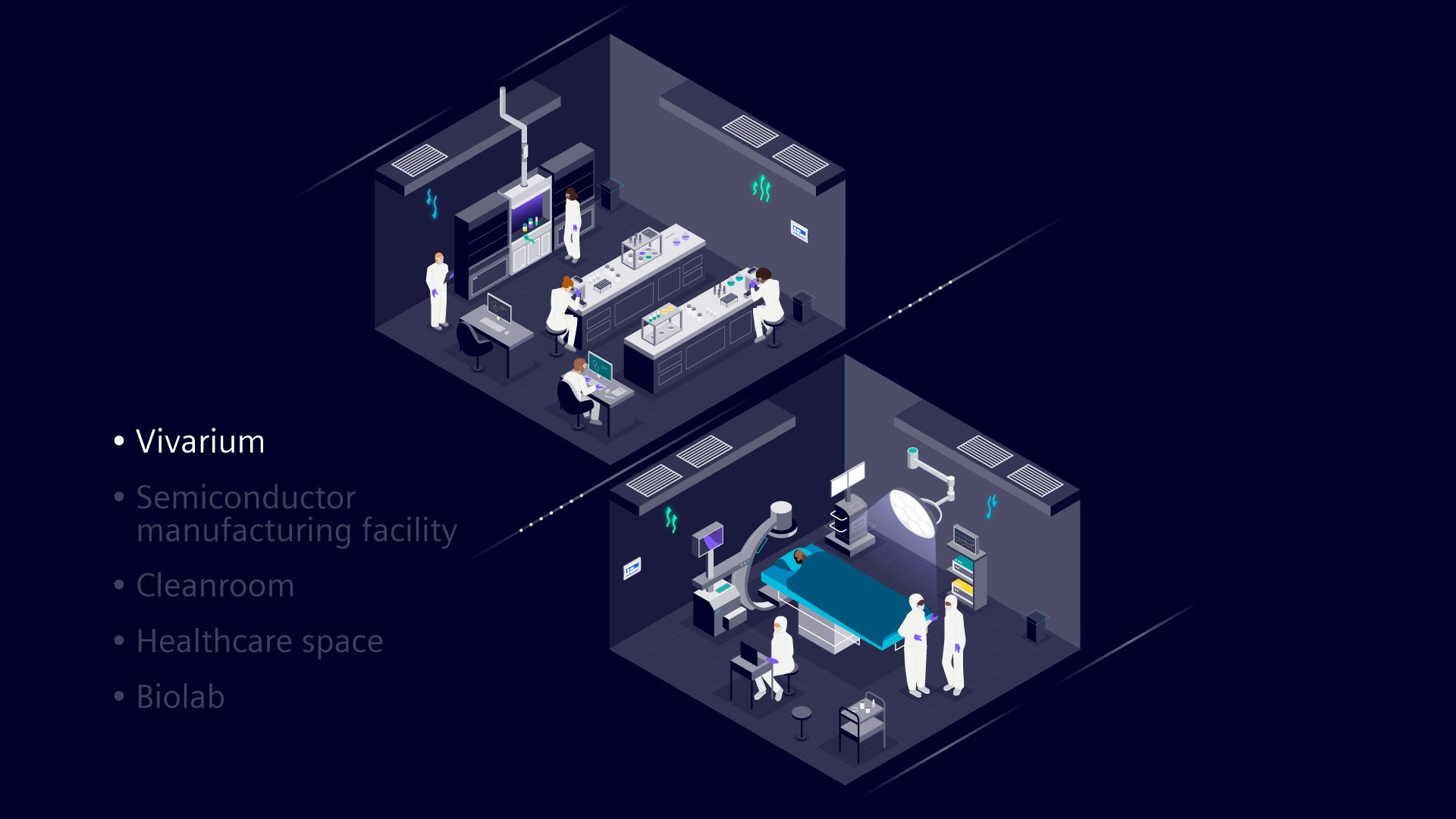
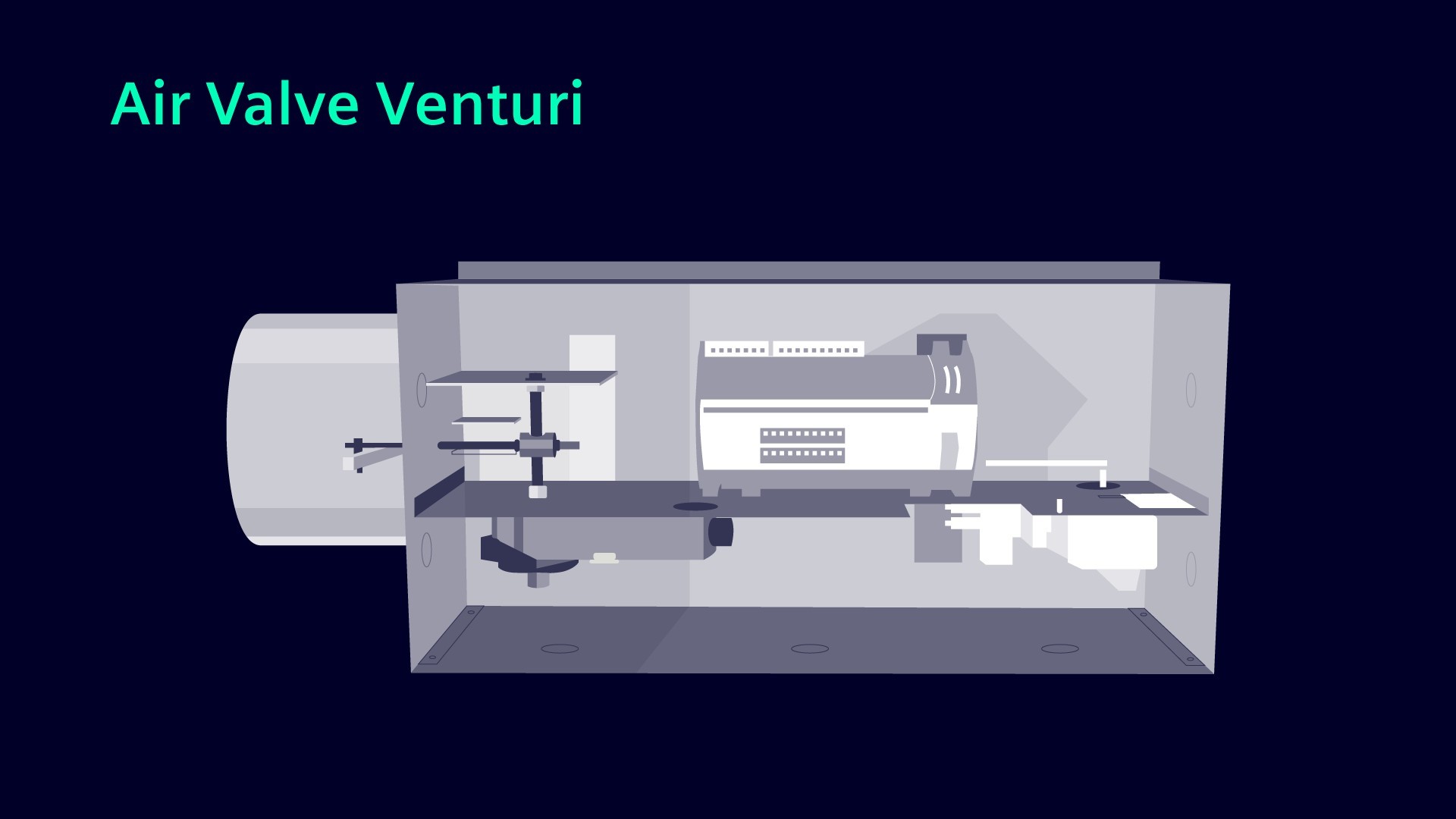
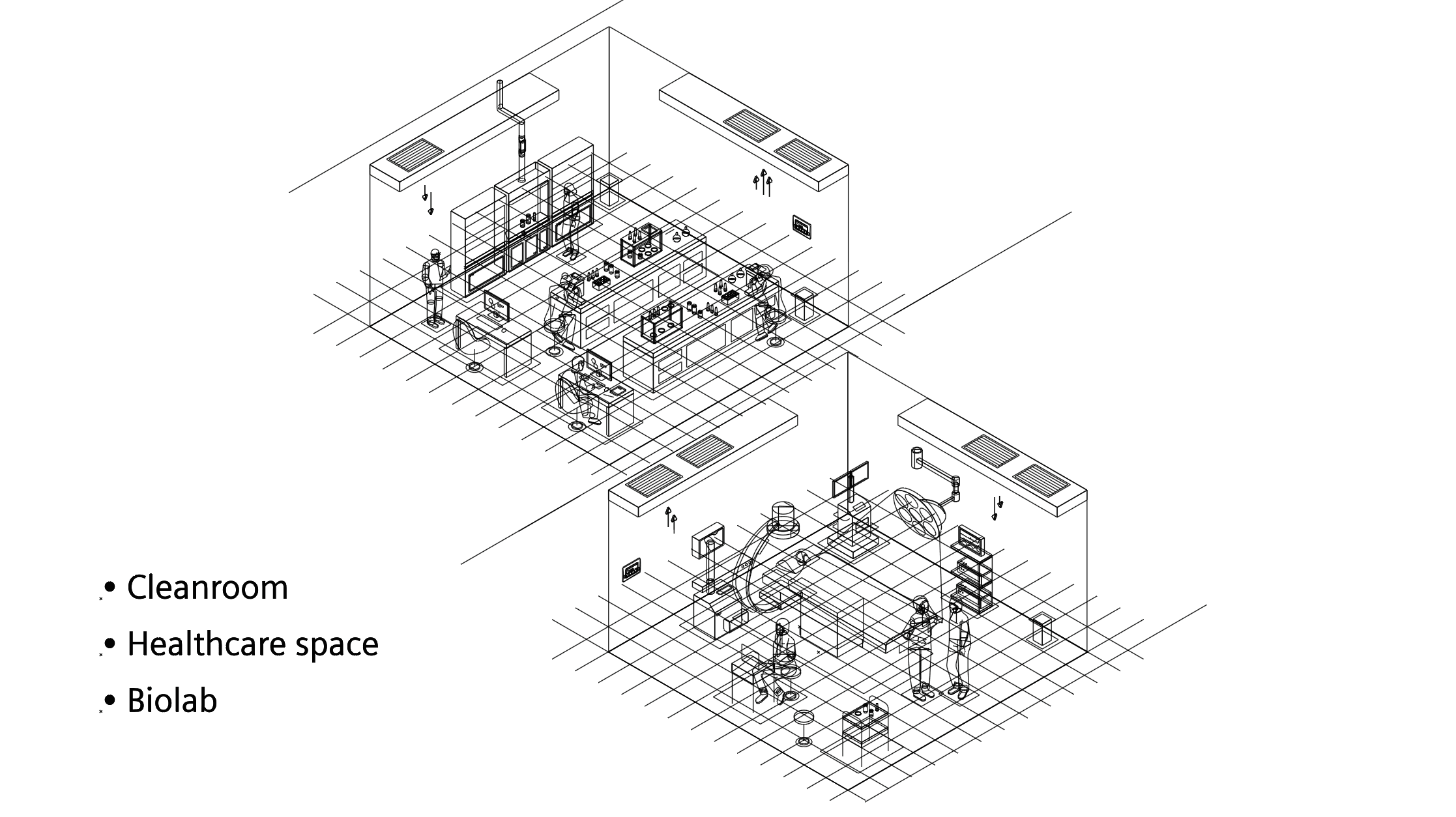
Siemens needed to bring one of their most technically complex product lines to life. Critical environment solutions — pressurized rooms, biolabs, healthcare spaces, cleanrooms — aren't easy to visualise, let alone make compelling.
That's where the creative direction began. Working from a dense technical brief, I developed a complete visual narrative using an isometric animation style that made complex spatial and mechanical concepts feel immediate, clear and human.
Client
Siemens | Critical Environment Video
Scope of Work
The Brief
Develop the creative direction and full storyboard for a motion campaign communicating Siemens Critical Environment Solutions to a technical audience across multiple industries — healthcare, biotech, semiconductor manufacturing and beyond.
My Role
Creative Direction and Storyboarding.
Led the project end to end — from translating the technical brief into a complete 33-scene visual narrative, to managing the animation team through production, to overseeing sound design and music selection. Responsible for scene composition, character direction, animation notes and copy integration — ensuring the creative vision was executed precisely from first frame to final delivery.
The Challenge
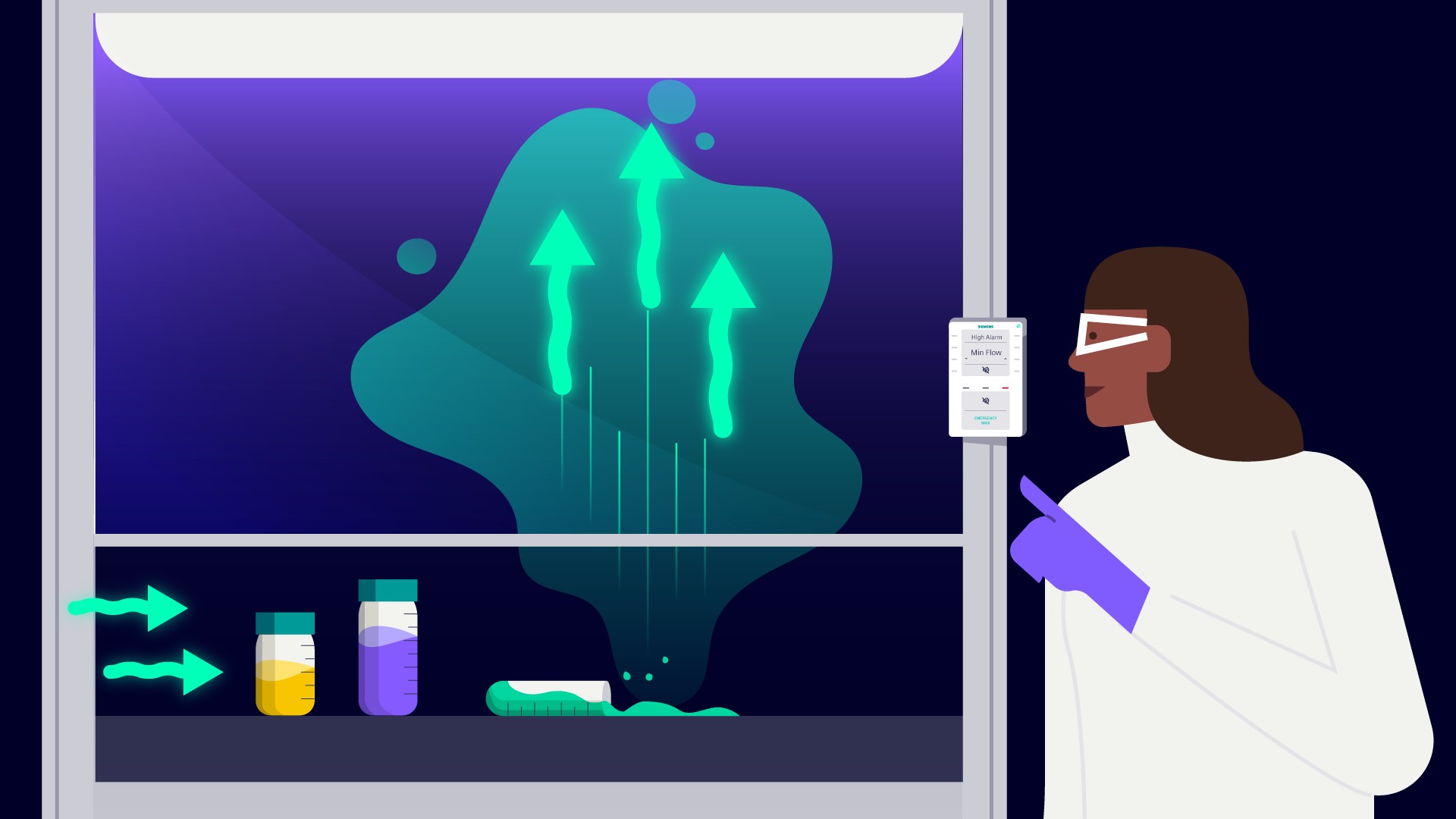
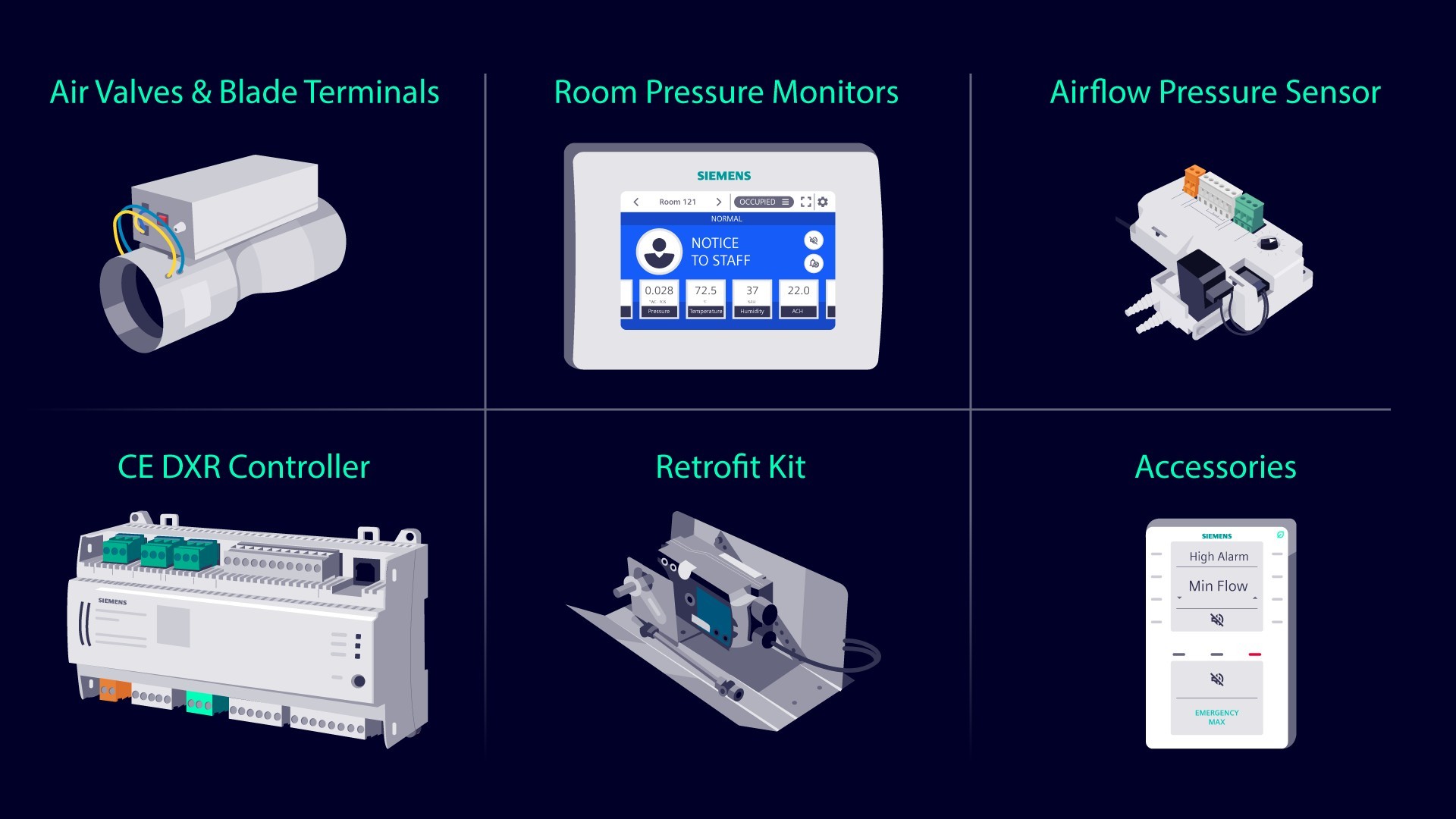
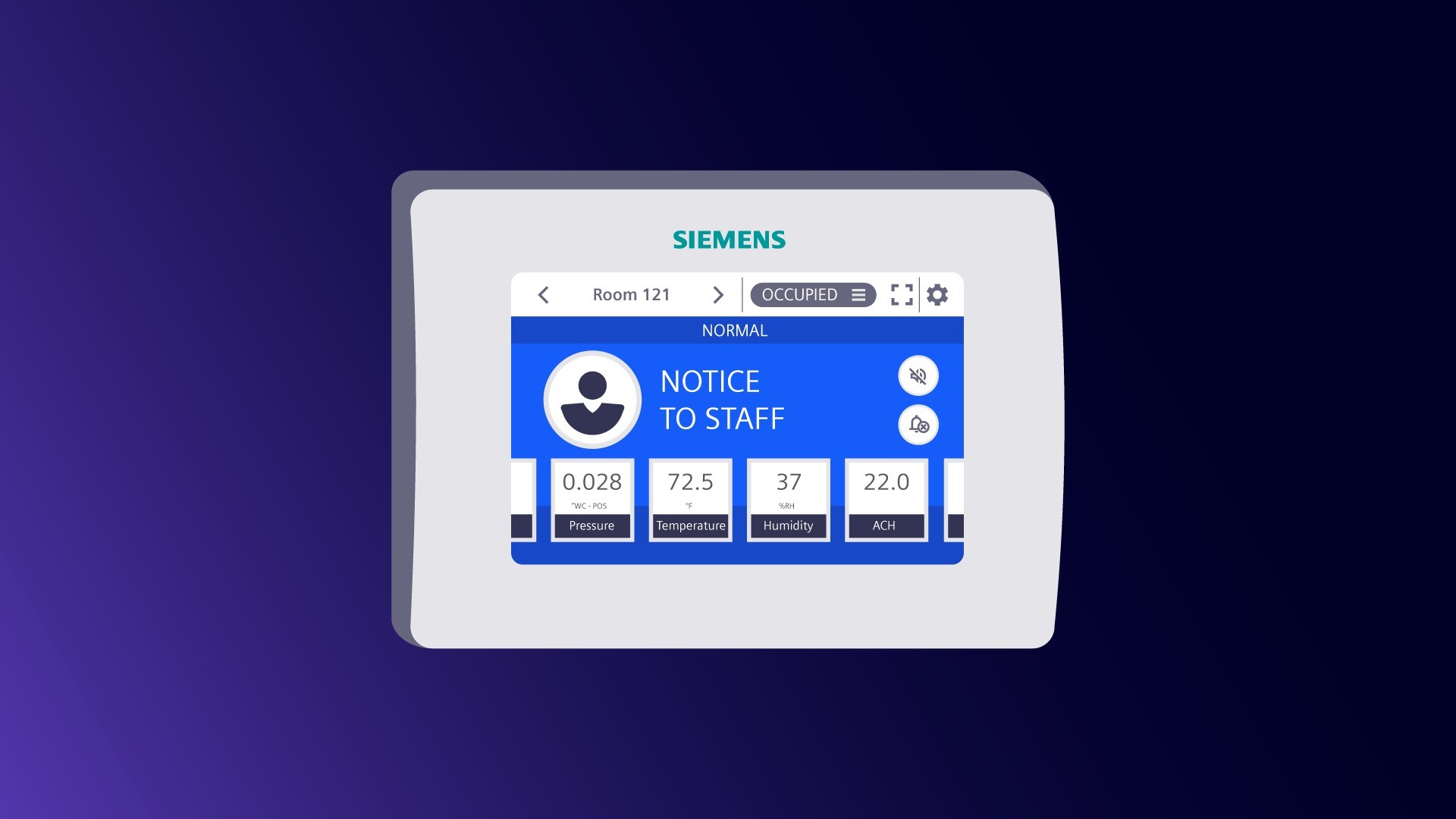
The subject matter is inherently complex. Airflow pressurization, emergency ventilation sequences, room condition monitoring, retrofit solutions — all of it technically precise and critically important to get right.
The creative challenge was making this feel human and visually engaging without losing the technical credibility Siemens' audience demands. Every scene had to work on two levels simultaneously — clear enough for a first-time viewer, accurate enough for a facilities engineer.
Process
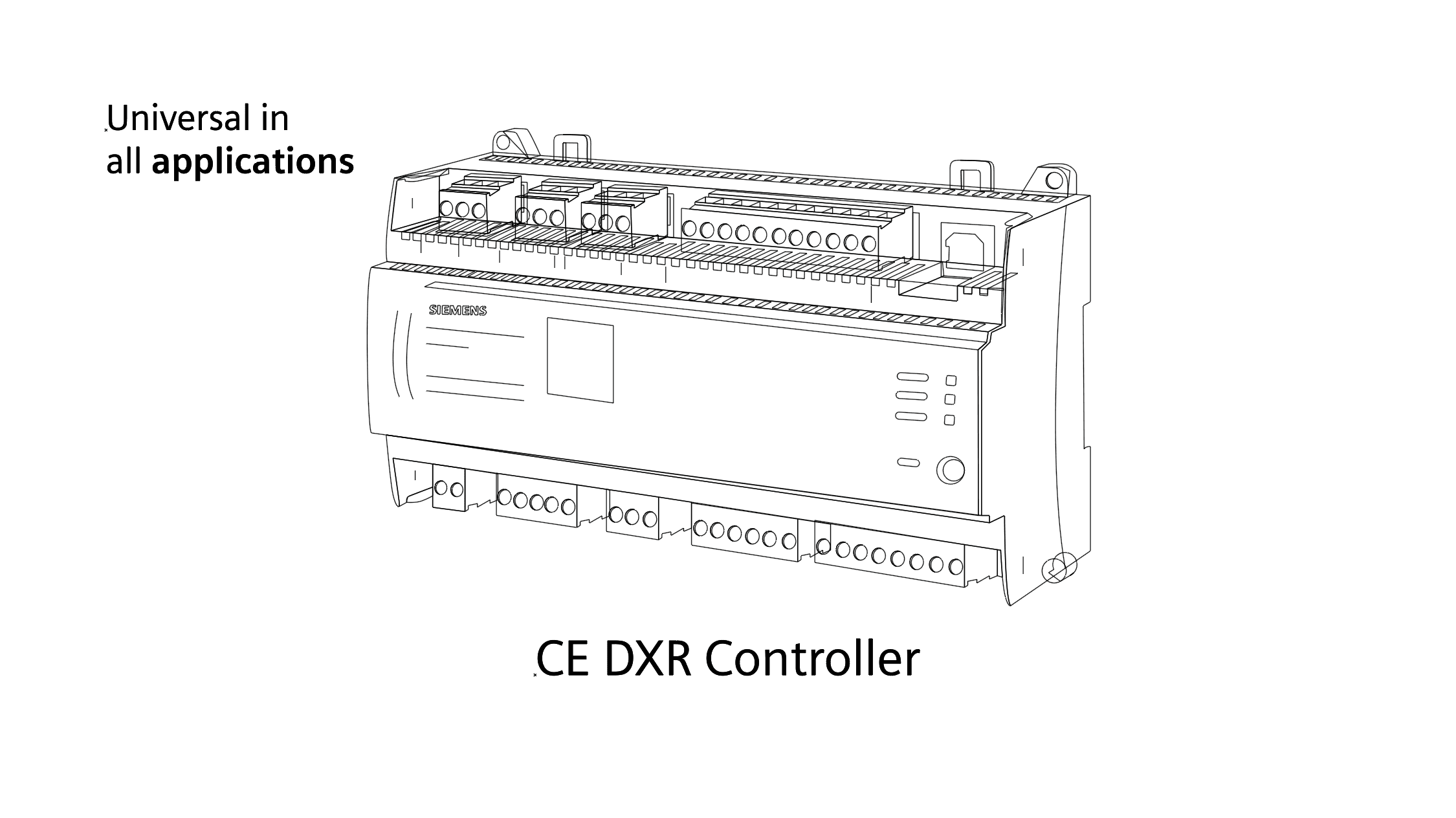
This project demanded a different creative approach. Unlike campaigns built around visual freedom, Siemens Critical Environment required absolute technical accuracy — every environment, every airflow direction, every equipment detail had to reflect real-world precision.
The process began with deep research into critical environment systems — biolabs, cleanrooms, healthcare isolation and operating rooms, semiconductor facilities. Understanding how these spaces actually function was non-negotiable before a single scene could be storyboarded.
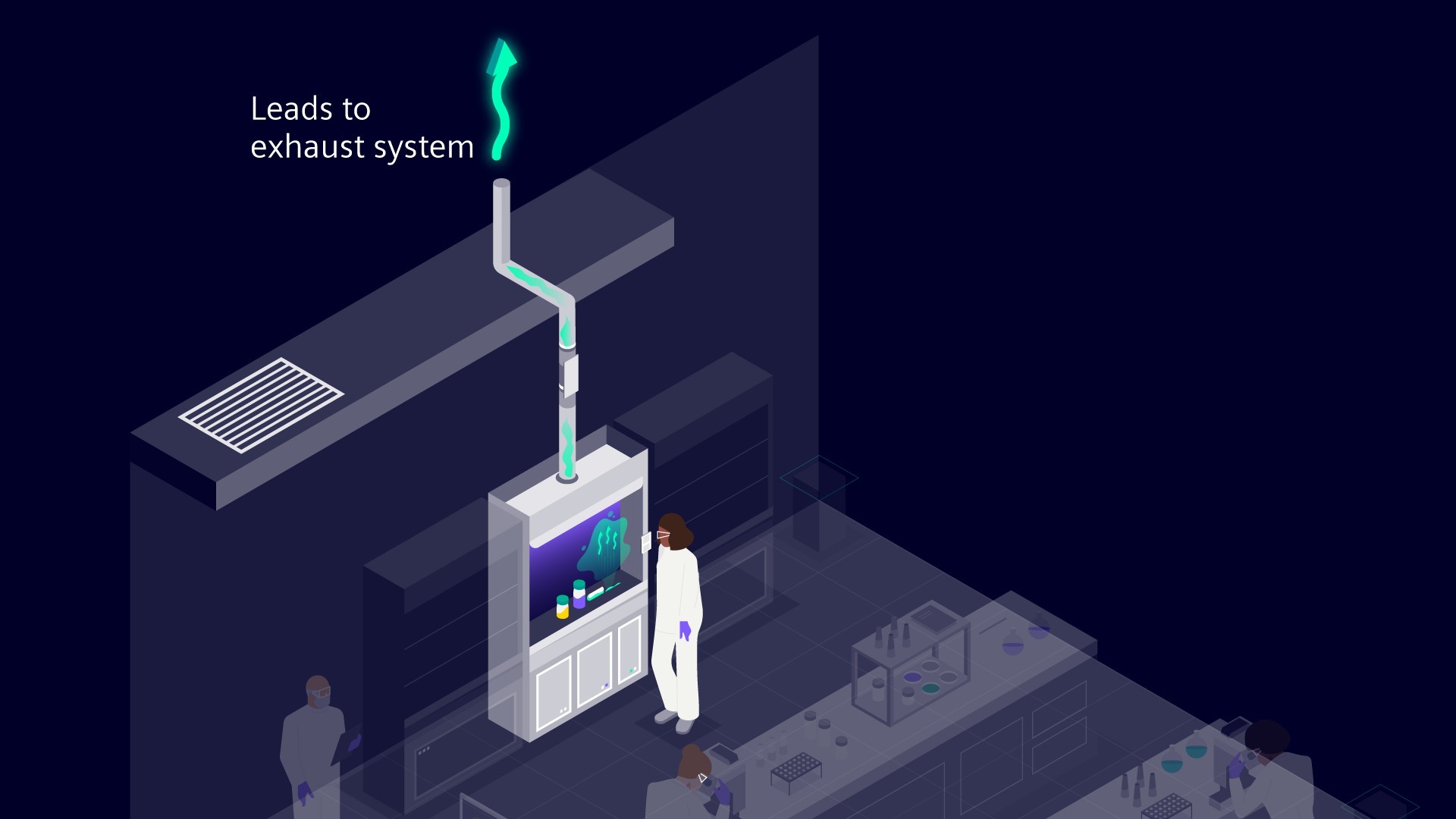
From there, the team moved into collaborative brainstorming — translating technical specifications into visual moments that were both accurate and engaging. Every scene was interrogated: does this airflow move in the right direction? Is this equipment placed correctly? Does this emergency sequence reflect what actually happens?
The result was a creative process that was as rigorous as it was visual — where getting the details right wasn't a constraint, it was the standard.
Deliverables
Storyboard 33-scene creative direction document with full scene descriptions, animation notes, character direction and copy — delivered to the animation team for production.
Final Campaign Assets
Full motion video
Social media cuts — adapted versions optimised for platform formats
Isometric illustrations — individual scene assets usable across digital and print
Social media statics — key frames adapted for LinkedIn, Instagram and web

The Approach
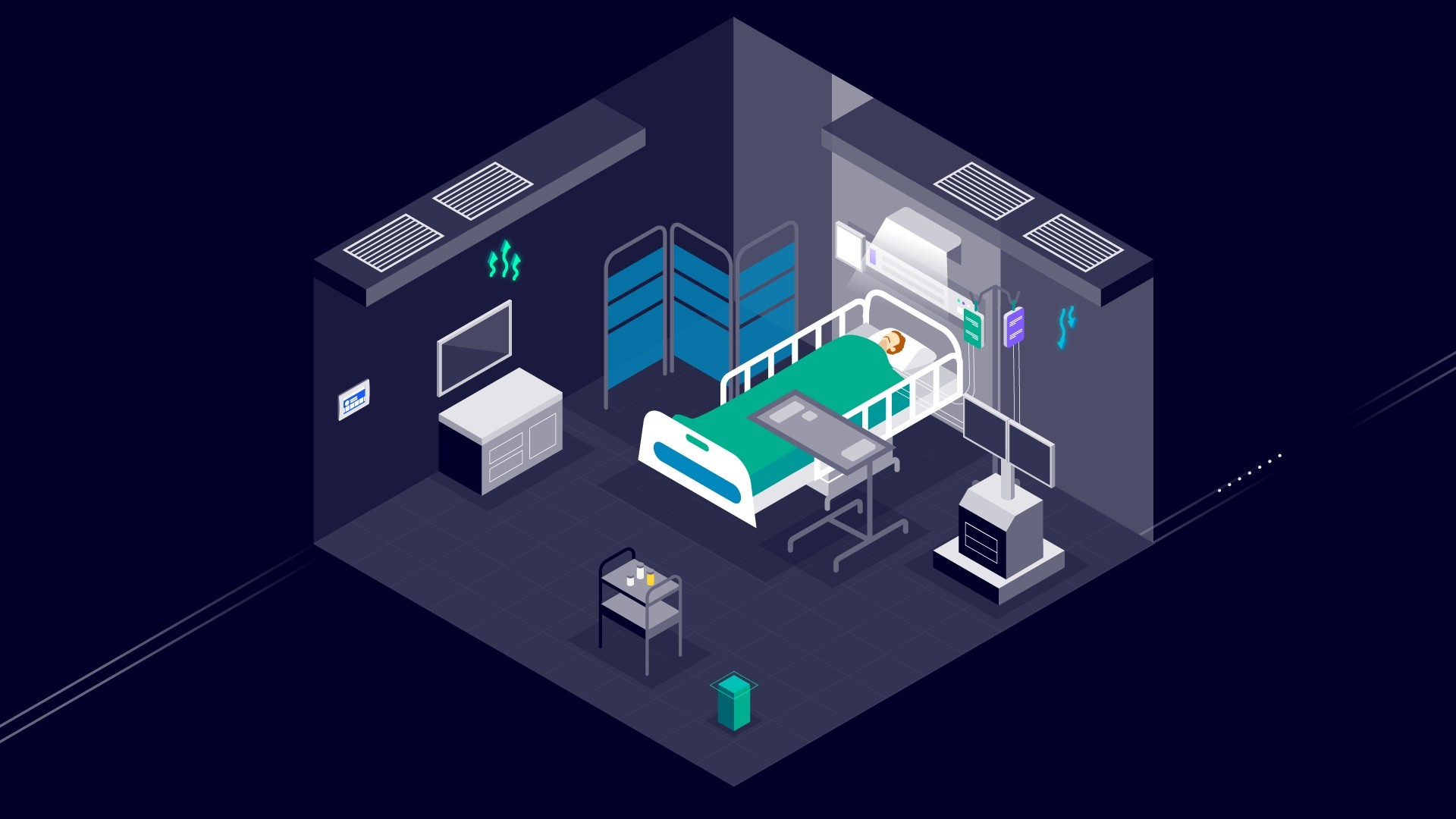
Every environment was designed and developed for this campaign — the biolab, healthcare spaces, cleanrooms, semiconductor facilities, operating rooms. Each scene built to feel accurate to its real-world counterpart while remaining visually cohesive across the full narrative.
The 33-scene storyboard defined every detail — environment design, character placement, animation movement, text integration and scene transitions. The narrative arc moves from the human benefit of protecting workers, through the technical solutions, and closes on scalability and long-term partnership — a structure designed to resonate with both decision-makers and technical buyers.